
- Home
- Art Movement
- Characteristics
- Boxed (2)
- Framed (32)
- Framed, On Canvas (13)
- Framed, On Panel (3)
- Framed, On Wood (61)
- Framed, Signed (5)
- Miniature (3)
- On Canvas (16)
- On Panel (73)
- On Wood (182)
- On Wood, Framed (2)
- On Wood, On Canvas (9)
- On Wood, On Panel (21)
- On Wood, Paper (3)
- On Wood, Signed (4)
- One Of A Kind (ooak) (4)
- Signed (27)
- Signed, On Canvas (21)
- Signed, On Panel (12)
- Signed, On Wood (90)
- Other (4925)
- Height
- Theme
- Abstract (8)
- Animals (32)
- Architecture (12)
- Character (92)
- Child (6)
- Figure (7)
- Flower, Tree (18)
- Flowers (3)
- Genre Scene (57)
- History, War (8)
- Horse Portrait. (2)
- Hunting, Fishing (8)
- Landscape (477)
- Marine (5)
- Nature, Landscapes (4)
- Portrait (16)
- Religion, Mythology (28)
- Seascape, Boat (82)
- Still Life (71)
- Windmills (2)
- Other (4570)
- Type
- Acrylique (4)
- Christianisme (5)
- Composition Mixte (2)
- Folk Art Object (2)
- Gouache (3)
- Huile (3292)
- Huile Sur Bois (20)
- Huile Sur Bois. (3)
- Huile Sur Panneau (15)
- Huile Sur Toile (4)
- Icon (2)
- Mural (5)
- Oil (1697)
- Oil On Canvas (2)
- Oil On Panel (2)
- Oil On Wood (5)
- Painting (9)
- Peinture (11)
- Other (425)
- Width
Oil painting on cardboard and wood, 1927, Expressionist, Expressionism, to be identified
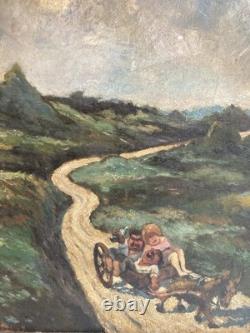
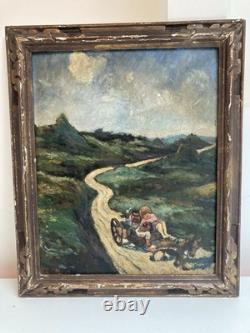
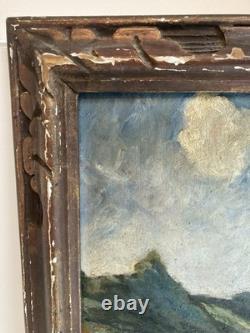
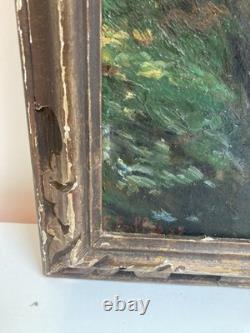
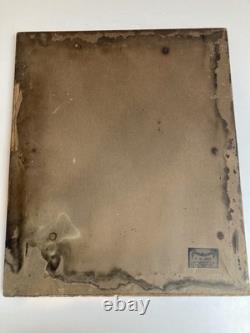
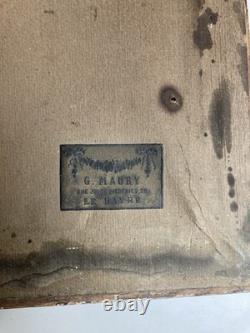
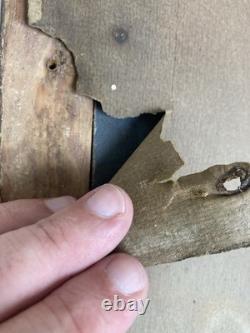


Overall good condition for the painting; the frame is damaged, see photo. Fred Pailhès, whose real name was Alfred Henri Pailhès, was born in Le Havre in 1902. Drawn to drawing and painting from an early age, he developed a personal style outside academic movements. A self-taught artist, he focused on depicting the world around him: the port landscapes of his native Normandy, lively streets, bistros, and above all ordinary people. His work, both realistic and full of humanity, portrays scenes of popular life with tenderness and humor.
Throughout his career, he worked on various supports—oil on canvas, wooden panels, cardboard, drawings, and watercolors—with a preference for oil painting. His compositions combine bold colors and a lively touch, conveying both the vitality of everyday life and its poetry. His works regularly appear on the art market, and several museums and galleries in France have exhibited his paintings. Pailhès died in 1991, leaving behind a prolific and distinctive body of work, a testament to a popular and colorful France.
Description of the work (oil on panel, 1927).
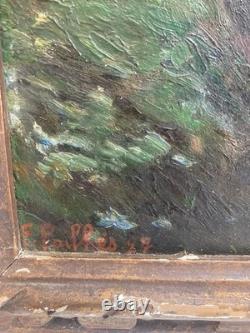
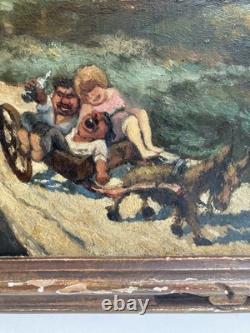
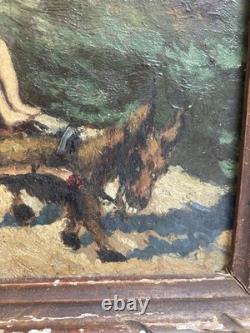
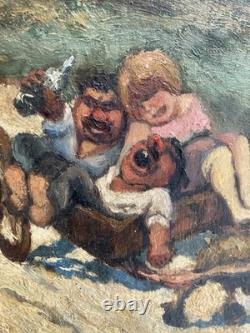
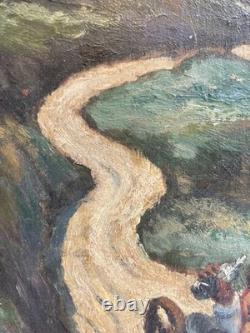
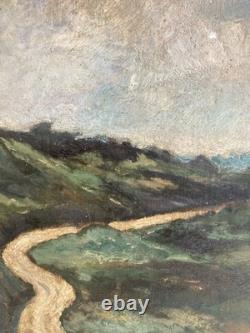
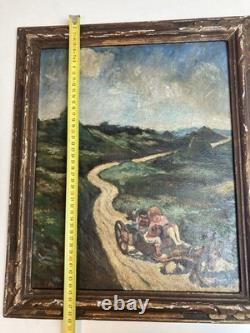
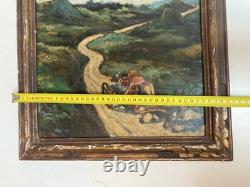
This oil painting on a wooden panel, signed F. Pailhès at the lower left and dated 1927, perfectly illustrates the artist’s taste for lively, characterful genre scenes. It shows a winding path crossing a green landscape beneath a lively sky. In the foreground, a small cart pulled by a donkey carries three drunken figures, laughing and slumping in cheerful intoxication. The scene, both comic and touching, reflects Pailhès’s sensitivity to everyday popular life, his humor, and his keen observation of daily gestures.
Technique: oil on wooden panel.
Subject: Genre scene - three drunk figures in a donkey cart.
Condition: period frame with wear, painting in overall good condition with patina.